
A piggy bank, a pirate barrel and a bright star can suggest very different adventures. Their names do not explain what a button does or how a result is counted. For a social casino session in 2026, a useful first step is to separate the story on the screen from the instructions behind it. That small pause makes the next action easier to understand.
Start with the unit beside the number
The home page calls its virtual points Lounge Points and says they have no real value. Treat that statement as the starting context for this site, rather than a promise about every game found elsewhere. A colourful total does not become money because its digits grow. Look for the unit in the game itself, and keep unfamiliar labels separate until their meaning is clear.
A balance, a round amount and a feature total answer different questions. One may describe what is available, another what an action uses, and another what has just been displayed. If two panels use different names, do not silently assume that they share a balance. A screenshot or a brief note can help you describe the mismatch when asking for clarification.
Three checks before starting
- Find the information control and read the description of the active mode.
- Identify the unit beside the balance and the amount beside the action button.
- Check how to leave the game before beginning a round or opening a feature.
A feature name is an invitation to read
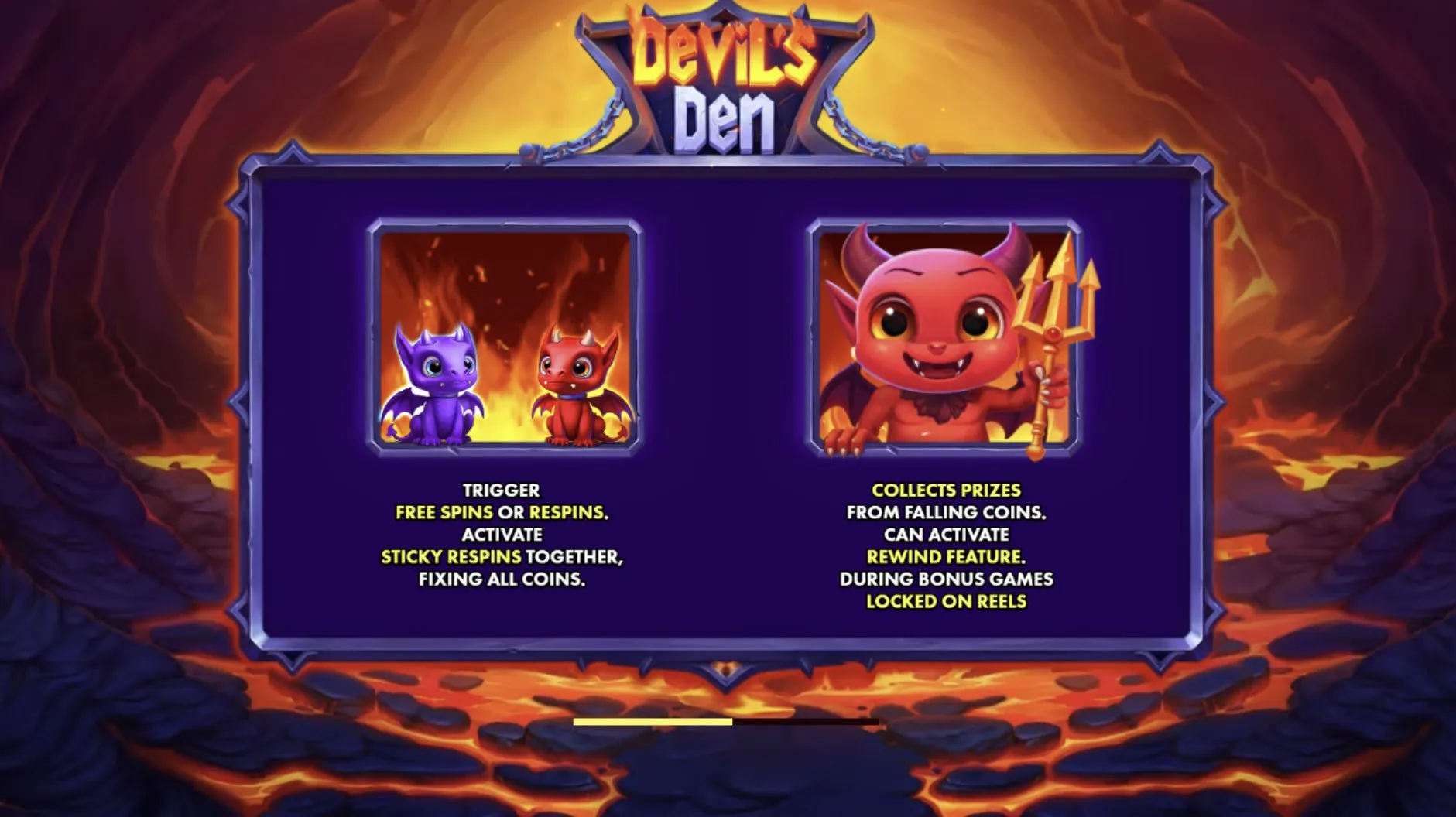
Words such as bonus, hold and free spins sound familiar, but a familiar phrase is not a complete rule. The help panel should explain what starts a feature, which symbols matter and when it ends. Read those conditions together. A picture of several special symbols cannot tell you whether their positions, number or sequence are part of the requirement.
Keep the theme in its proper place. Pirate artwork can make a game enjoyable without explaining its mechanics; a bank animation can celebrate virtual points without assigning them cash value. The same distinction applies to a large multiplier in promotional wording. It is not a prediction for your next round, and this article makes no claim about how often any feature appears.
Read a feature explanation from beginning to end before borrowing a rule from another mode. Similar symbols can have different jobs, and a counter may track remaining actions rather than progress towards a reward. If the wording leaves a gap, write down the exact question. Knowing which detail is missing is more useful than filling it with a guess based on the artwork.
| Display | Question to ask |
|---|---|
| Balance | Which unit does this total use? |
| Feature trigger | What exact condition starts it? |
| Round result | Is this a reward or the net change? |
Give the result time to settle
When an animation finishes, read the final labels before pressing again. If a round uses ten virtual points and later displays six returned, the balance change would be minus four, provided both amounts refer to that same round. This is a simple reading example, not a description of the site’s game calculations. The important habit is matching like units and like intervals.
- Compare the balance before and after the same completed action.
- Keep a feature subtotal separate from an overall session total.
- Pause when a label is unclear instead of testing it with repeated taps.
Friends may notice different parts of a busy screen. Our article on sharing games across different tastes considers how to exchange observations without turning them into instructions. If an interruption changes the display, use the checks in returning to a browser game before comparing old and new totals.
Author’s opinion
I would rather understand one ordinary round than collect a page of unexplained celebrations. For me, virtual points are most useful as part of a game’s language, with clear labels and a clear stopping place. A theme can supply the fun; it should not have to supply the explanation. When the two are easy to distinguish, I find the whole session more relaxed.